

Types of Heat Pumps
Find the right system for your San Francisco home.
The best heat pump for your home depends on a few important factors. A licensed contractor will help you figure out what works best based on your building type, available outdoor space, electrical system, and budget. This guide gives you a simple overview of common options so you’re ready when you talk to an installer.
Which System is Right for You?
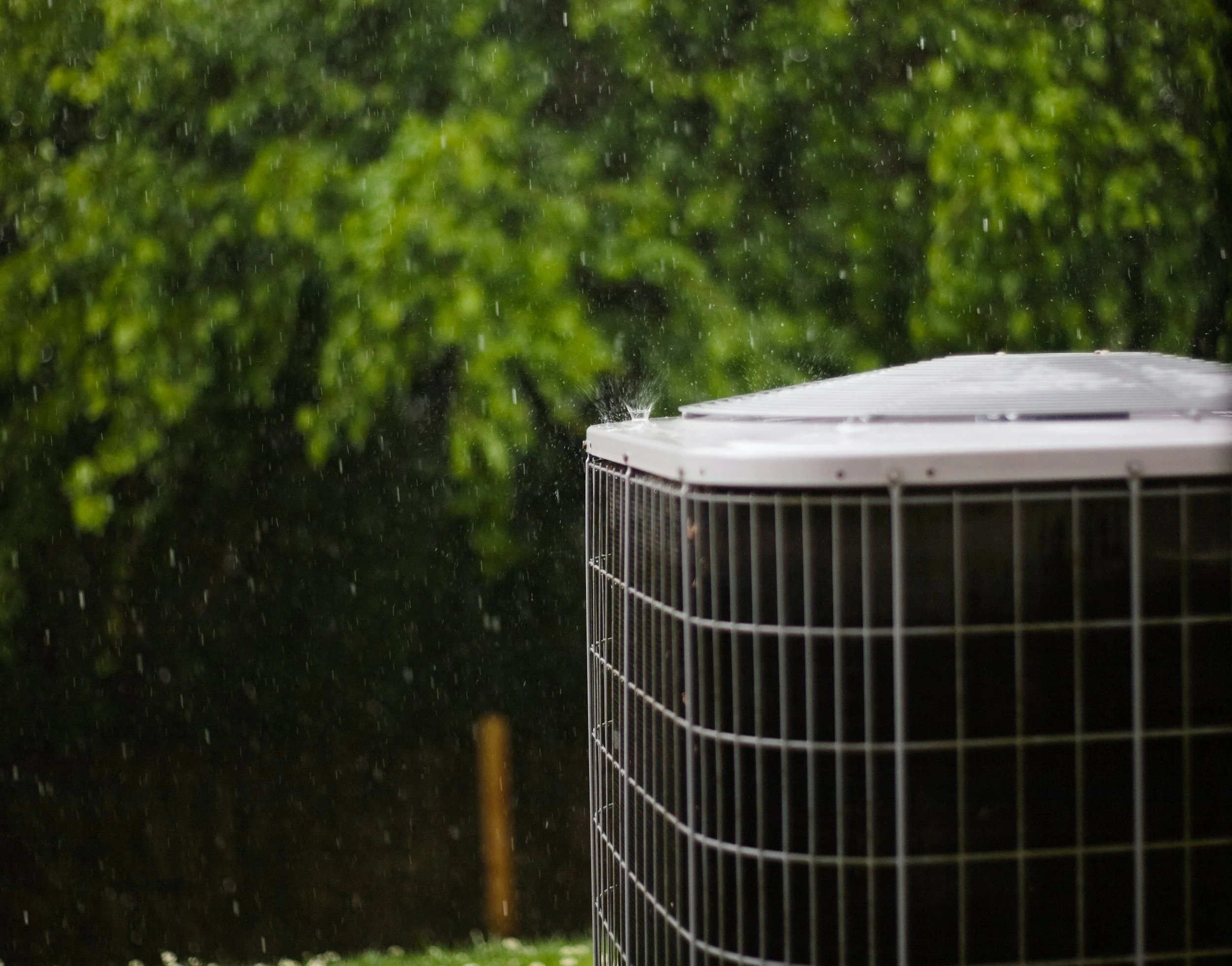
Central Heat Pumps
Central heat pumps are one of the most common ways to switch an entire home from gas to electric heating. They replace your gas furnace and provide heating and air conditioning. Depending on your home, they can connect to existing ductwork or use wall-mounted units. If you're planning to replace your furnace, this is where most people start.
Earn up to $1,200 in bill credits. See what qualifies (Approved Products, Excel, September 3, 2026).
-
Ducted systems: If your home already has ducts, a ducted heat pump can connect to them directly. It replaces both your gas furnace and central air conditioner in one system with minimal disruption.
Ductless mini-splits: If your home doesn’t have ducts, small indoor units are mounted on the wall and connected to an outdoor unit. This allows you to heat and cool your whole home without installing ductwork.
Easy for contractors: Both types are commonly installed in the Bay Area, so they are the most familiar with HVAC professionals.
Lower emissions: Heat pumps are super-efficient and they use electricity instead of burning gas, which helps reduce greenhouse gas emissions from your home.
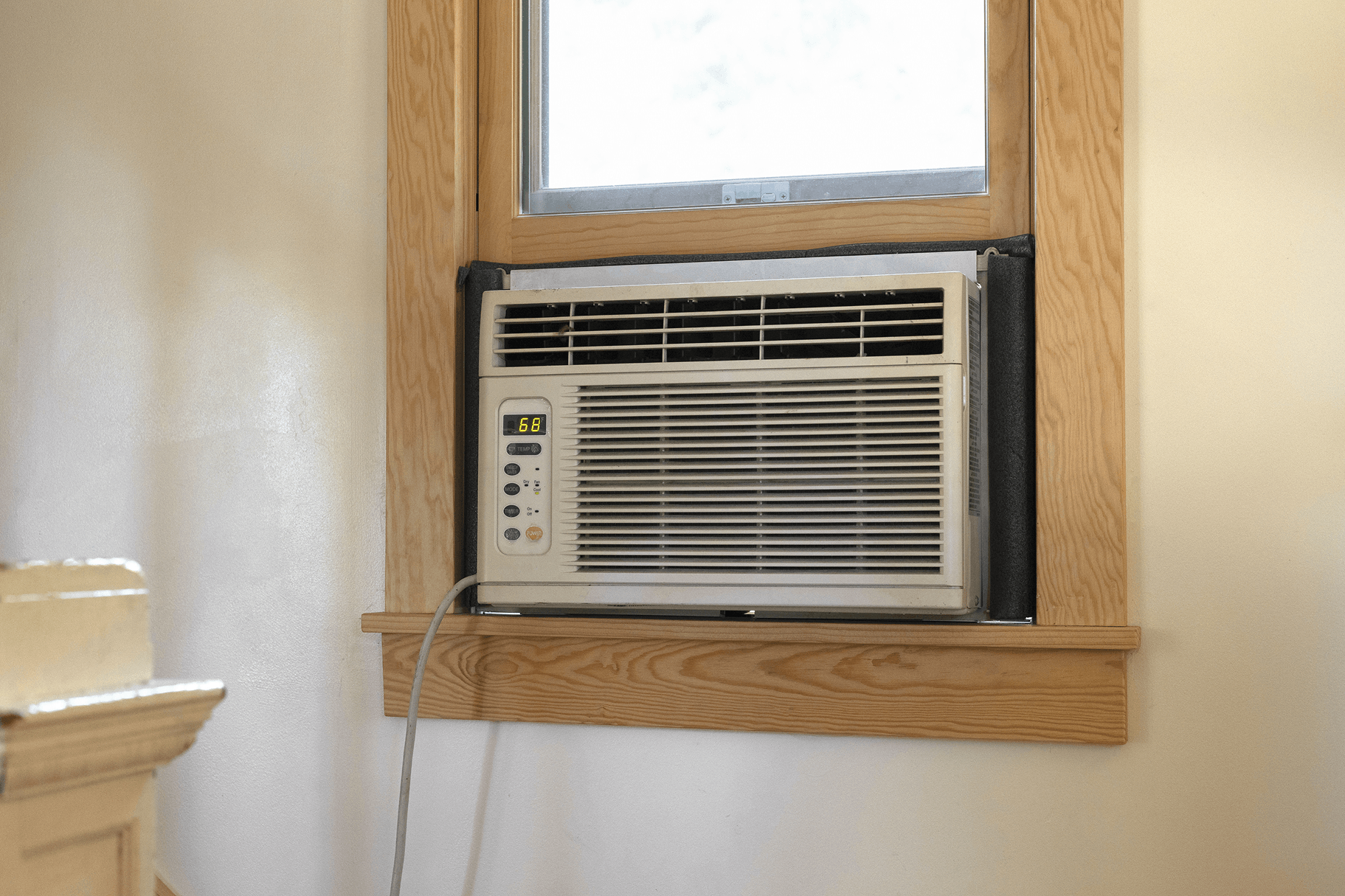
Window Heat Pumps
Window heat pumps are one of the simplest and most affordable ways to upgrade your home to electric heating and cooling. They don’t usually require electrical upgrades, a contractor, or permits. They plug into a regular wall outlet and sit in a vertically sliding window, which is common in older San Francisco homes. If you can’t install outdoor equipment or you're not ready for a whole-home system, a window heat pump is a good way to start.
Earn up to $1,200 in bill credits. See what qualifies (Approved Products, Excel, September 3, 2026).
-
No major installation needed: Most models are easy to install. You usually don’t need to upgrade your electrical panel, a contractor, a permit, or HOA approval. If you have a vertically sliding window and a standard outlet, you can electrify that room with little to no extra work.
Lowest upfront cost: The is one of the most affordable ways to start electrifying your home. You can add more units over time as your budget allows.
Room-by-room flexibility: Heat or cool only the rooms you use most, without needing to install and run a whole-home system.
Good for older buildings: Many older homes, like Victorian and Edwardian buildings in San Francisco have vertically sliding windows. That makes window heat pumps a great fit for these spaces.
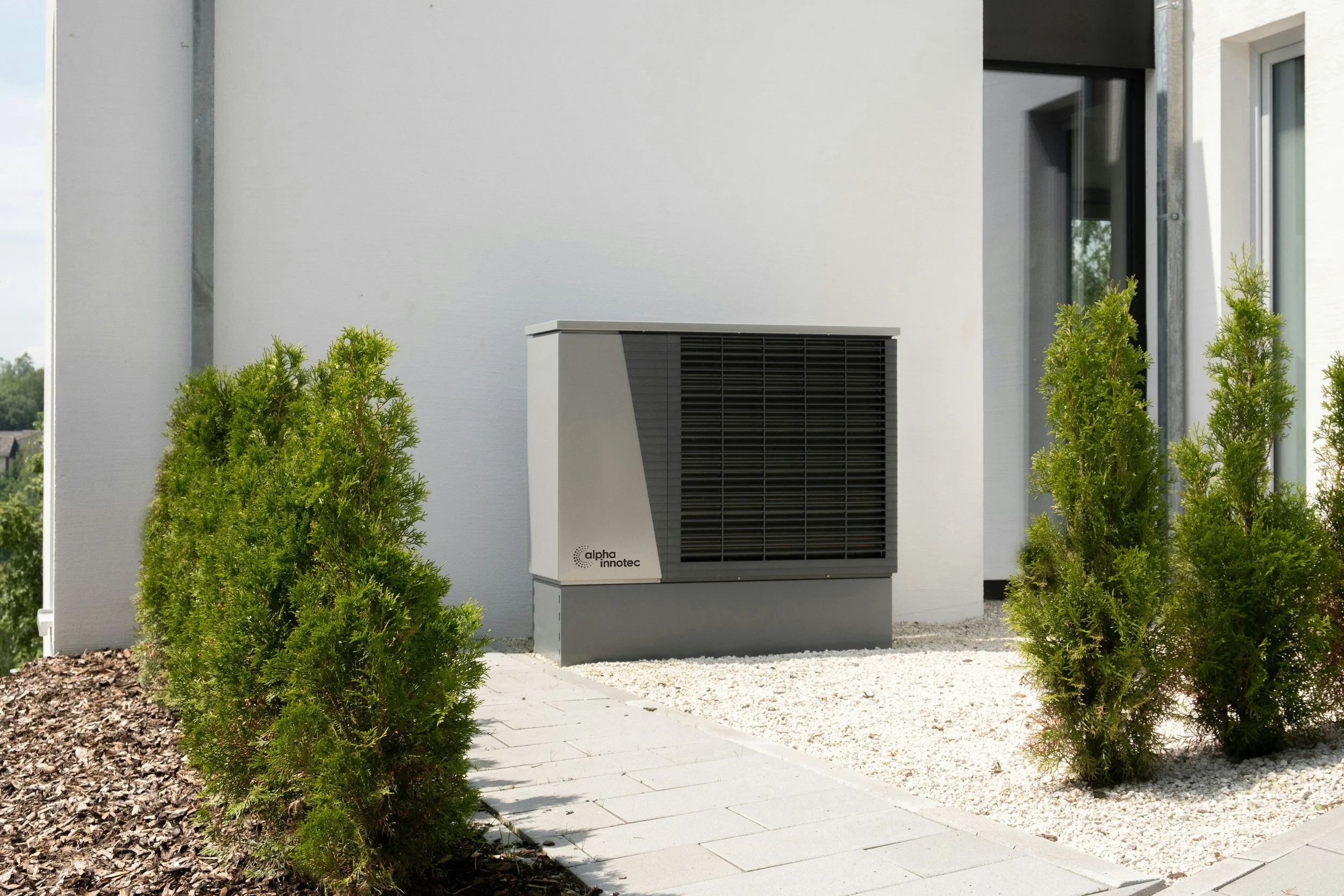
Air-to-Water Heat Pumps
Air-to-water heat pumps are a more comprehensive electrification solution. They can provide both heating and hot water using one outdoor unit. These systems use a tank to store heat, so they can run during off-peak hours when electricity is cheaper. This stored heat is used later to keep your home comfortable throughout the day. This gives them the same energy-saving benefit as a heat pump water heater, but for your whole home. In the right home, this is one of the best-performing options available.
Earn up to $1,200 in bill credits — or up to $2,400 if replacing both your furnace and water heater. See what qualifies (Approved Products, Excel, September 3, 2026).
-
Heating and hot water in one system: One outdoor unit replaces both your furnace and water heater. This setup can qualify for up to 48 months of bill credits ($2,400 total).
Saves money on energy use: The system stores heat when electricity is cheaper and uses it later. This helps you avoid higher costs during peak hours.
Works with existing hydronic systems: It can connect to systems you may already have, like radiant floors, radiators, or fan coils.
Cooling may not be included: Not all air-to-water systems provide cooling. Whether you can cool your home depends on the system and your home's existing setup. Check with your contractor before choosing.
Needs extra space: These systems require a storage tank, which takes up space. This is worth discussing with your contractor, especially in homes with limited room.
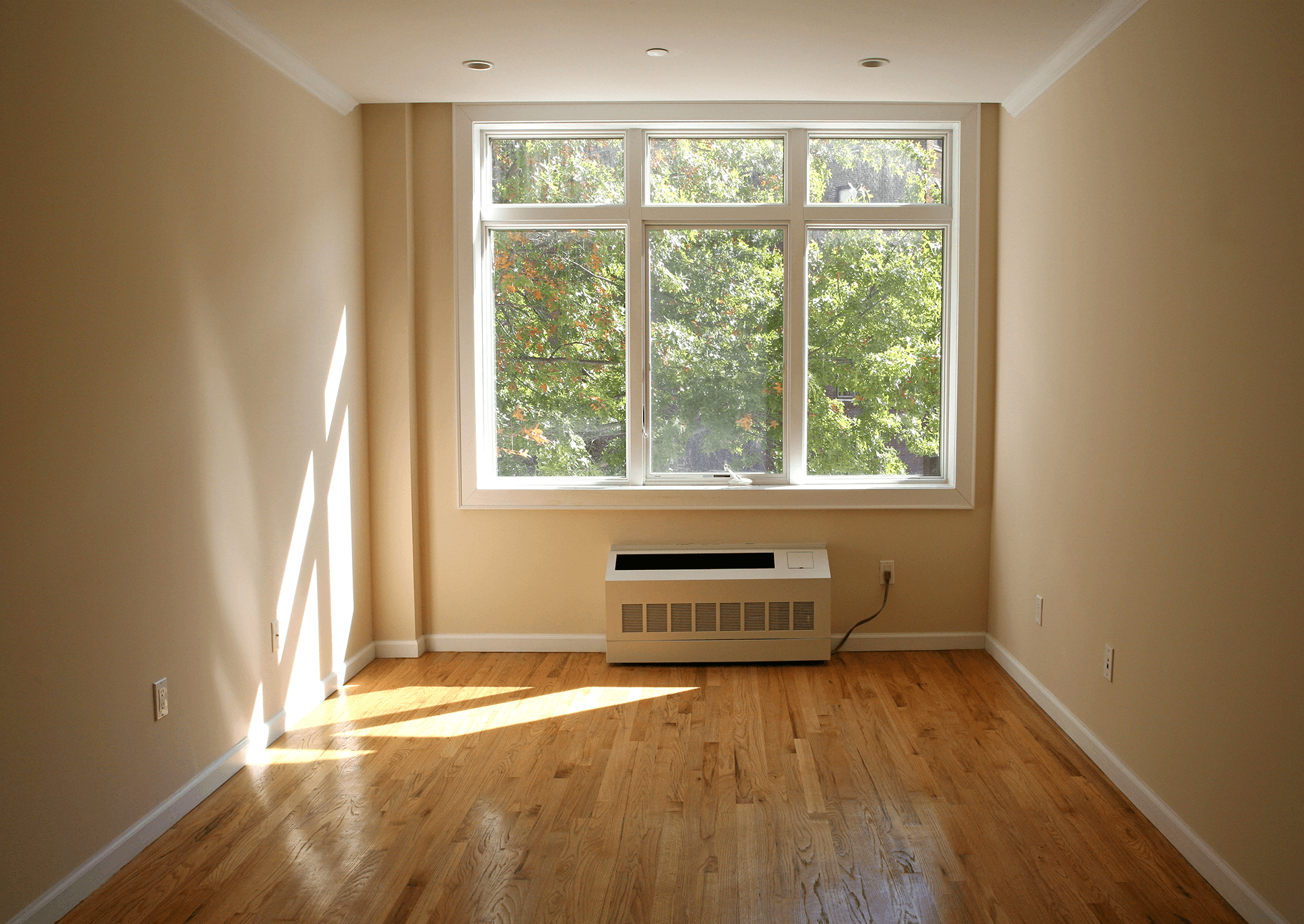
Through-the-Wall Heat Pumps
Through-the-wall heat pumps are another way to electrify your home one room at a time. They are installed through an outside wall instead of a window. Like window heat pumps, they plug –into a standard outlet and are easier and cheaper than installing a whole-home system. They work especially well in apartments or in rooms where you want a more permanent solution than a window unit.
Earn up to $1,200 in bill credits. See what qualifies (Approved Products, Excel, September 3, 2026).
-
Room-by-room heating and cooling: These units heat and cool one room at a time, so you don’t need a whole-home system or outdoor unit.
Easy to install: Most models plug into a standard outlet, so installation is simple and usually doesn’t require electrical upgrades.
Works without the right windows: This is a good option if your space doesn’t have vertically sliding windows, or if you want something more permanent than a window unit.
Package Terminal Heat Pumps (PTHPs): These are a common type of through-the-wall unit. You can recognize them by the grille on the outside wall. They are self-contained, easy to replace, and can heat and cool a single room without an outdoor unit.
More options available: In addition to PTHPs, there are other through-the-wall heat pump models that may qualify for incentives. Be sure to check the approved product list or email us to confirm before you buy.
Ready to Apply?
Once you’ve found the right system, the next step is finding a qualified installer and completing your upgrade. Bill credits are available on a first-come, first-served basis.
For questions about the program, email us.