

Residential Battery Storage Program
Receive up to $3,750 to install a home battery storage system powered by on-site solar. The Residential Battery Storage Program will begin accepting applications on November 2.
Store Your Solar Power
If you’re considering installing a home solar photovoltaic (PV) system, or improving the performance of your current setup, adding a battery energy storage system (BESS) can boost your savings and enhance grid resilience. A battery storage system allows you to store the solar energy you produce and use it when the sun goes down, lowering your electric bill and increasing your home’s self-sufficiency. CleanPowerSF offers incentives starting at $250/kWh to help make battery storage more accessible for residents.
What is a Battery Storage System?
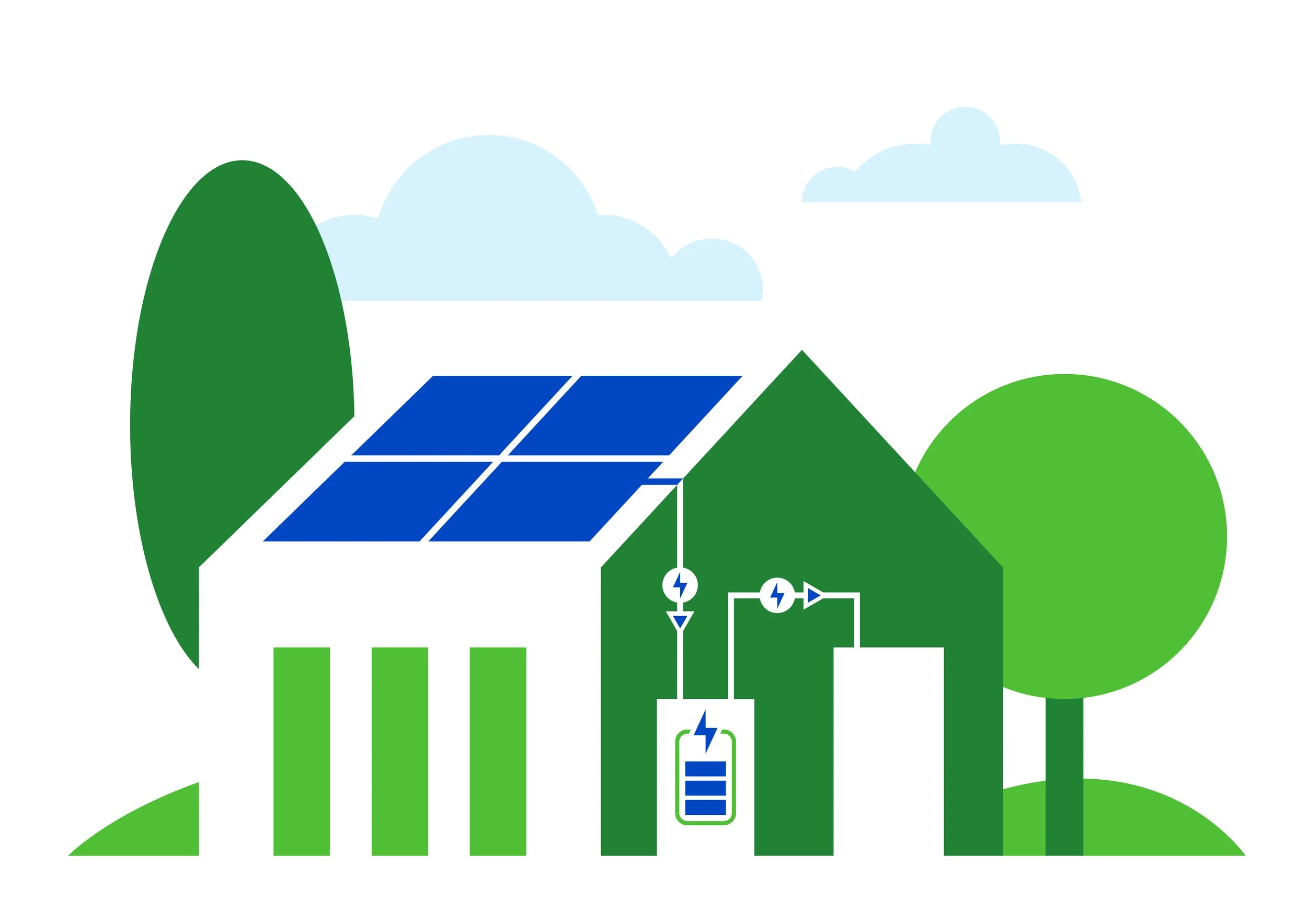
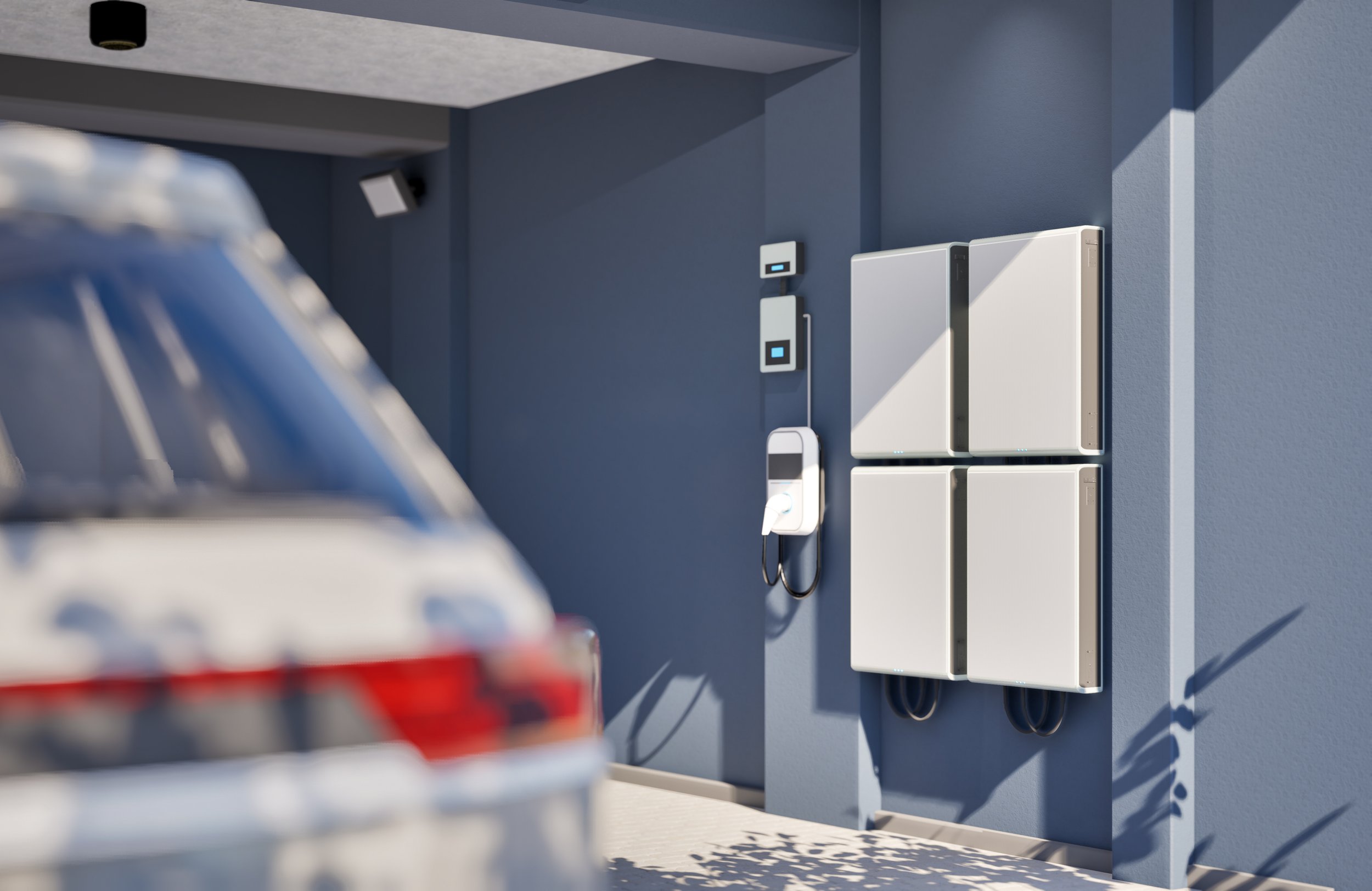
A battery storage system is a device that stores excess solar energy generated during the day and releases it at night or when you need it most. By using more of your home’s solar power, a battery storage system can lower your electric bill and support a more reliable grid in your community. Depending on how it’s set up, a battery storage system can operate automatically to manage your energy use efficiently and can even provide backup power during a power outage.
Why Install a Battery Storage System?
Use More of Your Solar Power
A battery storage system allows you to store solar energy generated during the day and use it at night, increasing the self-sufficiency of your home.
Save on Your Electric Bill
Using the stored solar energy at night reduces your need to purchase electricity during peak hours, helping to lower your electric bill.
Support Grid Resilience
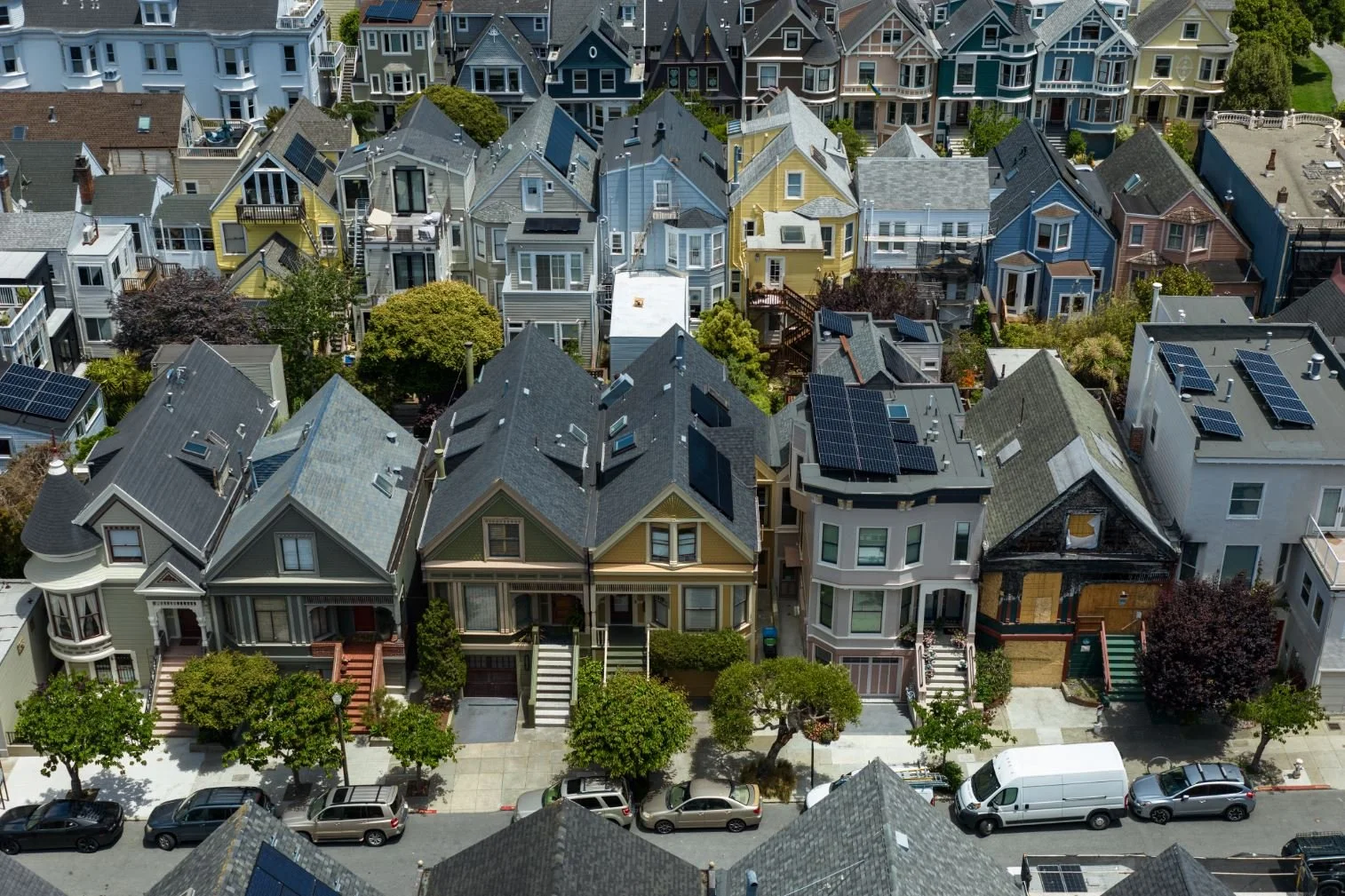
Distributed Energy Resources like battery storage systems can reduce demand on the electric grid, helping to reduce both the likelihood and impact of power outages.
Who Can Apply?
To be eligible for the Residential Battery Storage Program, customers must meet the following requirements:
Be a CleanPowerSF residential customer.
Be on PG&E’s Solar Billing Plan (SBP) tariff with an existing behind-the-meter solar system or show enrollment in the SBP tariff for a new behind-the-meter solar system.
Be installing a new battery storage system with no existing battery storage systems.
Apply for and receive an incentive reservation from this program before the battery storage system receives Permission to Operate (PTO) from PG&E.
For complete eligibility requirements and program terms, review the Residential Battery Storage Program rules.
Battery Storage System Requirements
To be eligible, battery storage systems must meet the following requirements:
Permanently installed and paired with an onsite solar system
Minimum nameplate capacity of 3 kWh
Incentive will be capped at 15 kWh (larger batteries can still participate)
Receive Permission to Operate (PTO) from PG&E as a Rule 21 Exporting Generating Facility
Set-up to operate in a daily cycling mode (e.g., self-consumption or time-of-use) for the duration of its Useful Life
For third-party owned systems (such as leased or Power Purchase Agreement (PPA) systems), the customer must have the ability or authority to change the battery storage system settings to meet the program requirements of a daily cycling mode and backup reserve state of charge.
For complete eligibility requirements and program terms, review the Residential Battery Storage Program rules.
Program Process

Submit Incentive Agreement with proposed scope to reserve incentives before receiving Permission to Operate (PTO).
Complete battery storage system installation and receive Permission to Operate.

Submit Incentive Claim Form and required documentation.
Program Incentives
Incentive levels will be determined by the battery storage system’s set percentage of backup reserve state of charge. For complete program incentives information, review the Residential Battery Storage Program rules.
Incentive levels for battery storage systems set at no more than 20% backup reserve state of charge per kWh of battery storage system nameplate capacity: